
No products in the cart.
Return To Shop
+0201103455208
اتصل بنا من السبت - الجمعة من 9:00 ص - 6:00 م
info@firematic-eg.com
دعم مستمر 24 سا
010123456789
Call Us SAT - THRU 9;00 am - 6:00 pm
info@firematic-eg.com
Online support 24h/7
Menu
Categories
+0201103455208
اتصل بنا من السبت - الجمعة من 9:00 ص - 6:00 م
info@firematic-eg.com
دعم مستمر 24 سا
010123456789
Call Us SAT - THRU 9;00 am - 6:00 pm
info@firematic-eg.com
Online support 24h/7
Training Courses

Injury Prevention Program
Why take this course?
To learn how to reduce workplace injuries, improve safety awareness, and implement preventive measures that protect yourself and your team.
Why take this course?
To learn how to reduce workplace injuries, improve safety awareness, and implement preventive measures that protect yourself and your team.
Who should take this course?
All employees, supervisors, HSE staff, and anyone exposed to physical work hazards.
When should a person take this course?
Before starting a new job, after any workplace incident, or as part of annual safety refreshers.
Show more
Show less

Defensive Driving Training
Why take this course?
To improve driving skills, reduce road risks, and learn techniques to prevent collisions.
Why take this course?
To improve driving skills, reduce road risks, and learn techniques to prevent collisions.
Who should take this course?
Company drivers, employees who drive for work, and anyone seeking safer driving habits.
When should a person take this course?
Before being assigned a company vehicle, after traffic incidents, or during periodic recertification.
Show more
Show less

Workshop Safety
Why take this course?
To understand risks in workshops and learn safe practices related to tools, equipment, and machinery.
Why take this course?
To understand risks in workshops and learn safe practices related to tools, equipment, and machinery.
Who should take this course?
Technicians, mechanics, workshop operators, and supervisors.
When should a person take this course?
Before entering or working in any workshop and during safety onboarding.
Show more
Show less
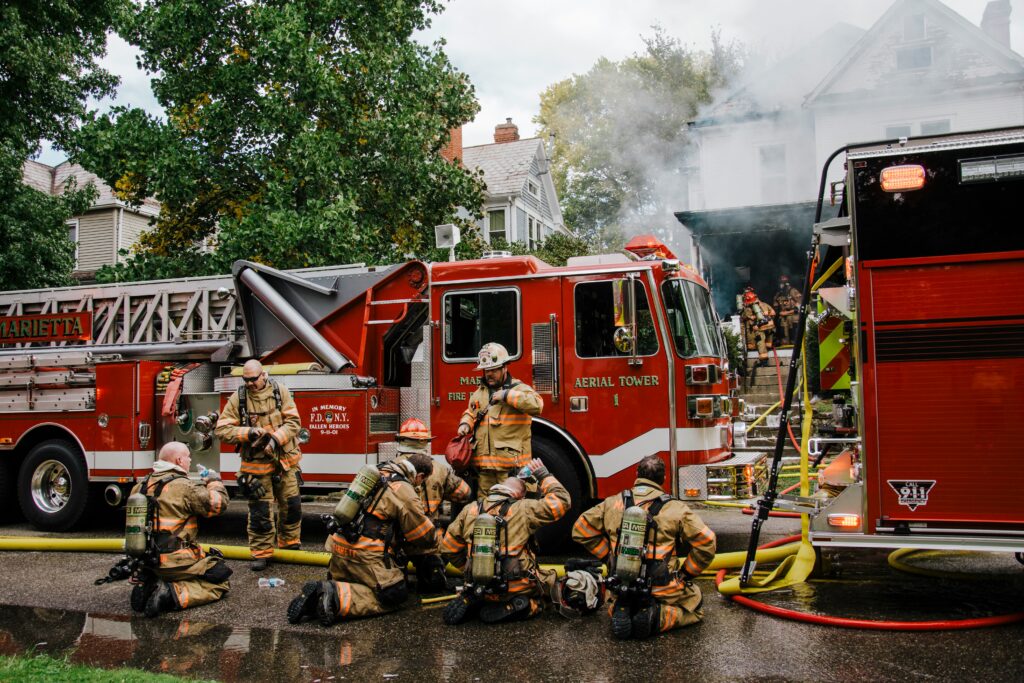
Emergency Response Principles
Why take this course?
To know how to act quickly, safely, and effectively during emergencies such as fires, medical events, or evacuations.
Why take this course?
To know how to act quickly, safely, and effectively during emergencies such as fires, medical events, or evacuations.
Who should take this course?
All employees, emergency response teams, and supervisors.
When should a person take this course?
During onboarding, before joining an emergency team, or after changes in emergency procedures.
Show more
Show less
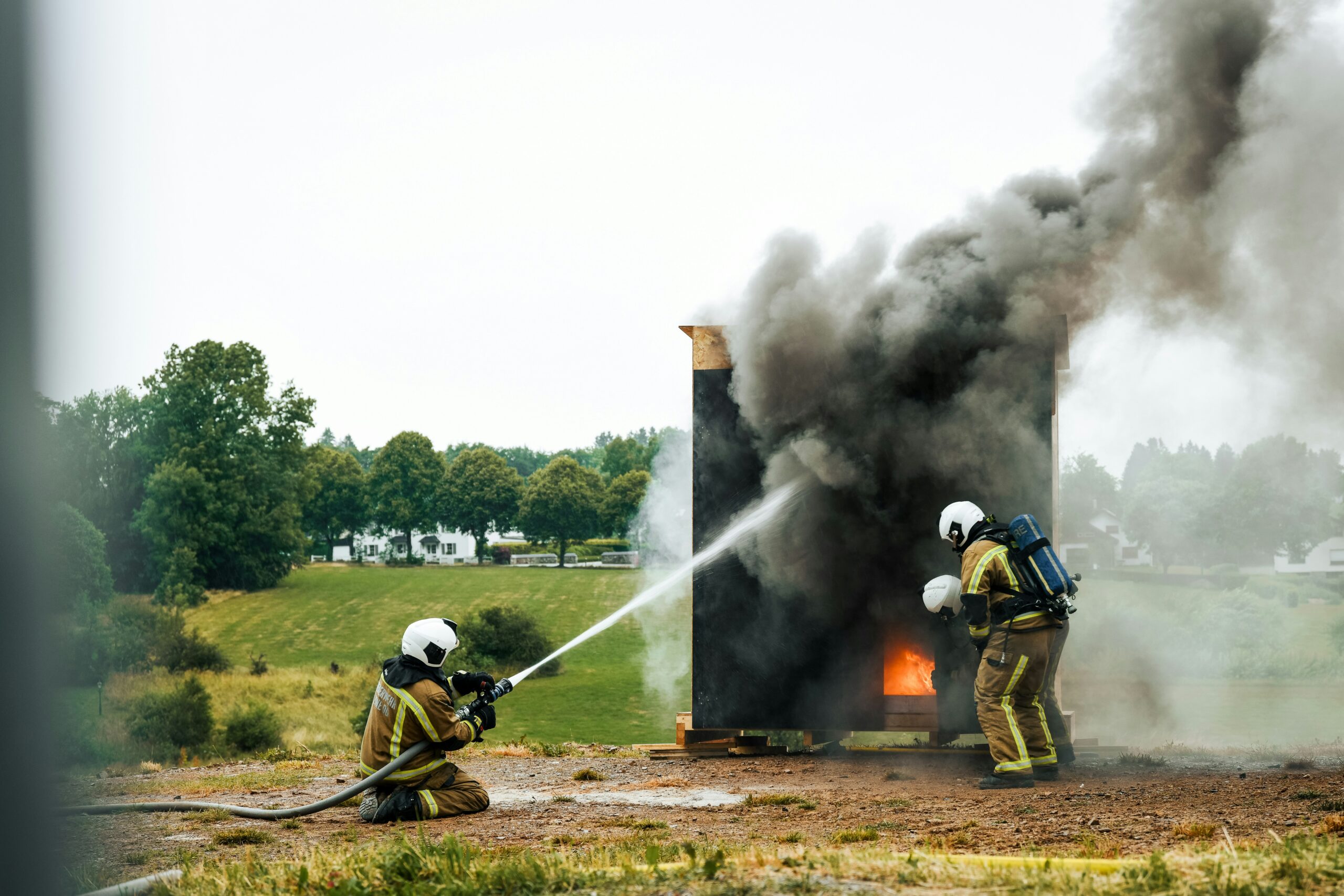
Basic Firefighting
Why take this course?
To learn how to prevent fires, use fire extinguishers, and handle fire emergencies safely.
Why take this course?
To learn how to prevent fires, use fire extinguishers, and handle fire emergencies safely.
Who should take this course?
All staff, fire marshals, security personnel, and emergency responders.
When should a person take this course?
Annually or before being assigned as a fire warden.
Show more
Show less
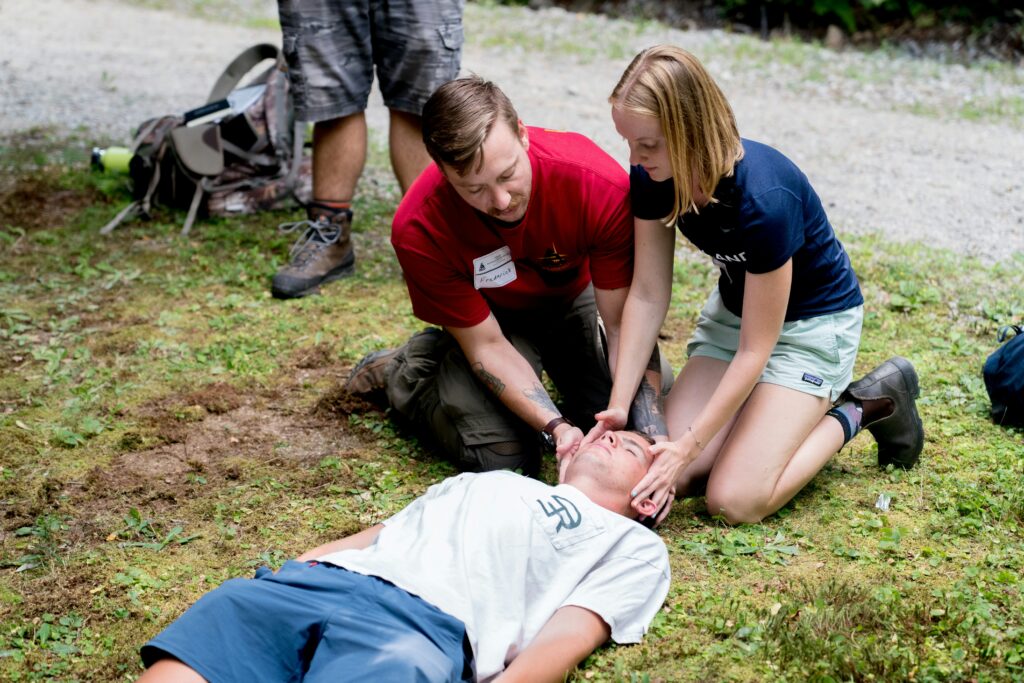
Basic First Aid
Why take this course?
To gain lifesaving skills and know how to respond to injuries, illnesses, and medical emergencies.
Why take this course?
To gain lifesaving skills and know how to respond to injuries, illnesses, and medical emergencies.
Who should take this course?
All employees, first-aid teams, and anyone in leadership roles.
When should a person take this course?
Every 2–3 years or when joining a workplace first-aid team.
Show more
Show less

Hazard Identification and Risk Management
Why take this course?
To learn how to identify hazards, assess risks, and implement controls that prevent accidents.
Why take this course?
To learn how to identify hazards, assess risks, and implement controls that prevent accidents.
Who should take this course?
HSE professionals, supervisors, team leaders, and operational staff.
When should a person take this course?
Before taking supervisory roles or after changes in workplace processes.
Show more
Show less

Accident Investigation & Root Cause Analysis Techniques
Why take this course?
To understand how to investigate incidents, determine root causes, and prevent recurrence.
Why take this course?
To understand how to investigate incidents, determine root causes, and prevent recurrence.
Who should take this course?
Supervisors, HSE officers, managers, and incident investigation teams.
When should a person take this course?
Immediately after joining an HSE department or when assigned to an investigation team.
Show more
Show less
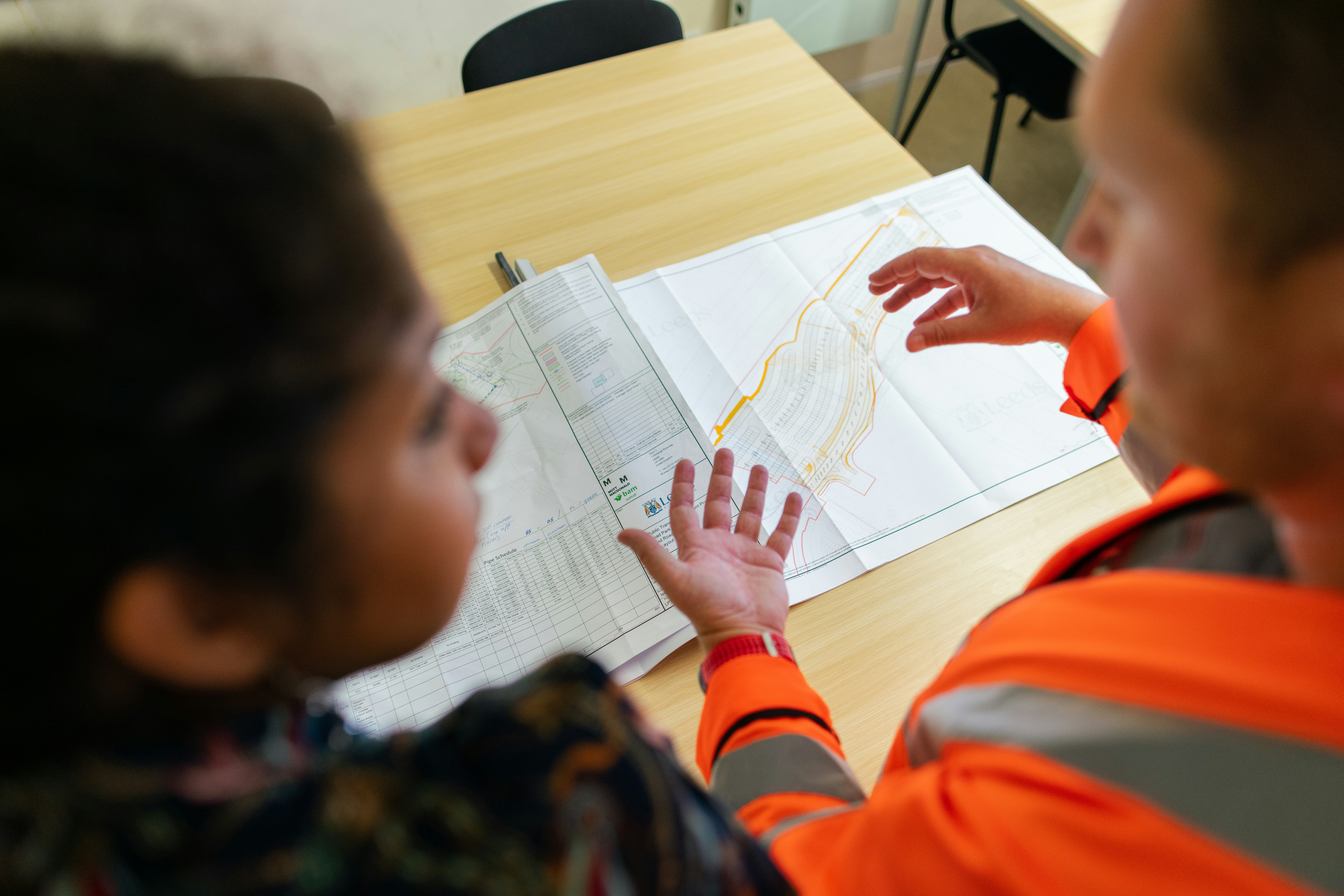
Job Safety Analysis (JSA)
Why take this course?
To learn how to break down tasks, identify task-level hazards, and apply controls.
Why take this course?
To learn how to break down tasks, identify task-level hazards, and apply controls.
Who should take this course?
Supervisors, technicians, engineers, and HSE staff.
When should a person take this course?
Before performing high-risk tasks or when assigned to prepare JSAs.
Show more
Show less
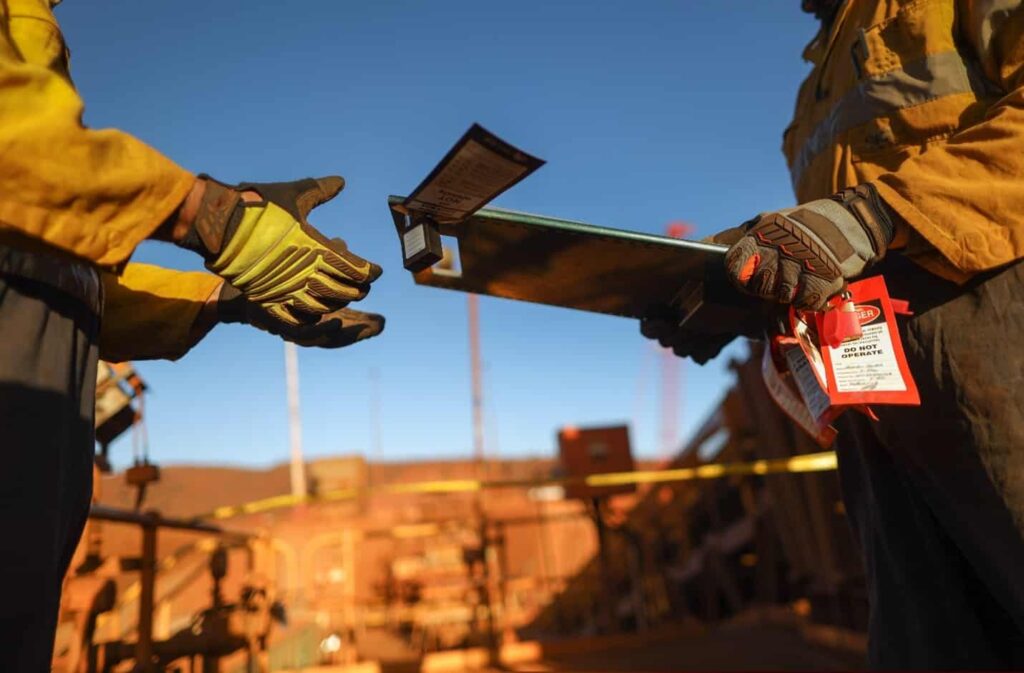
Permit to Work (PTW)
Why take this course?
To understand the PTW system, its requirements, and how to control high-risk activities.
Why take this course?
To understand the PTW system, its requirements, and how to control high-risk activities.
Who should take this course?
PTW issuers, permit receivers, supervisors, and maintenance staff.
When should a person take this course?
Before issuing/receiving permits or performing high-risk maintenance tasks.
Show more
Show less
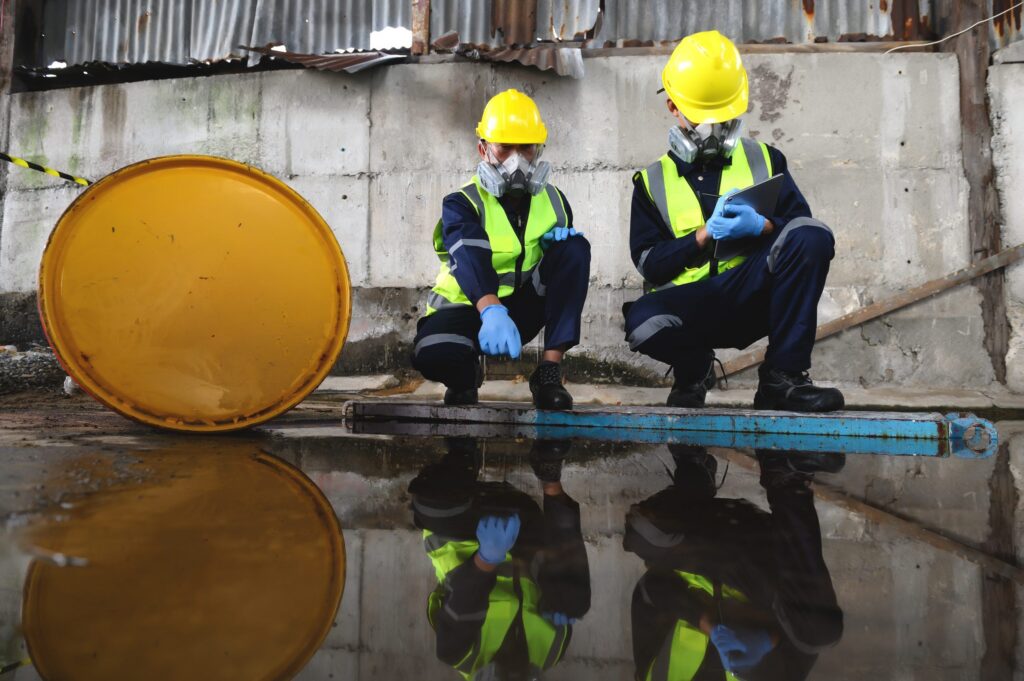
Spill Prevention Control
Why take this course?
To learn how to prevent, respond to, and control chemical, fuel, or oil spills.
Why take this course?
To learn how to prevent, respond to, and control chemical, fuel, or oil spills.
Who should take this course?
Environmental and HSE teams, maintenance crews, and warehouse operators.
When should a person take this course?
Before handling hazardous materials or joining spill response teams.
Show more
Show less

Ergonomics
Why take this course?
To reduce strain, prevent musculoskeletal injuries, and optimize workspace comfort/performance.
Why take this course?
To reduce strain, prevent musculoskeletal injuries, and optimize workspace comfort/performance.
Who should take this course?
Office workers, operators, supervisors, and anyone performing repetitive tasks.
When should a person take this course?
During onboarding or when reporting discomfort or ergonomic issues.
Show more
Show less
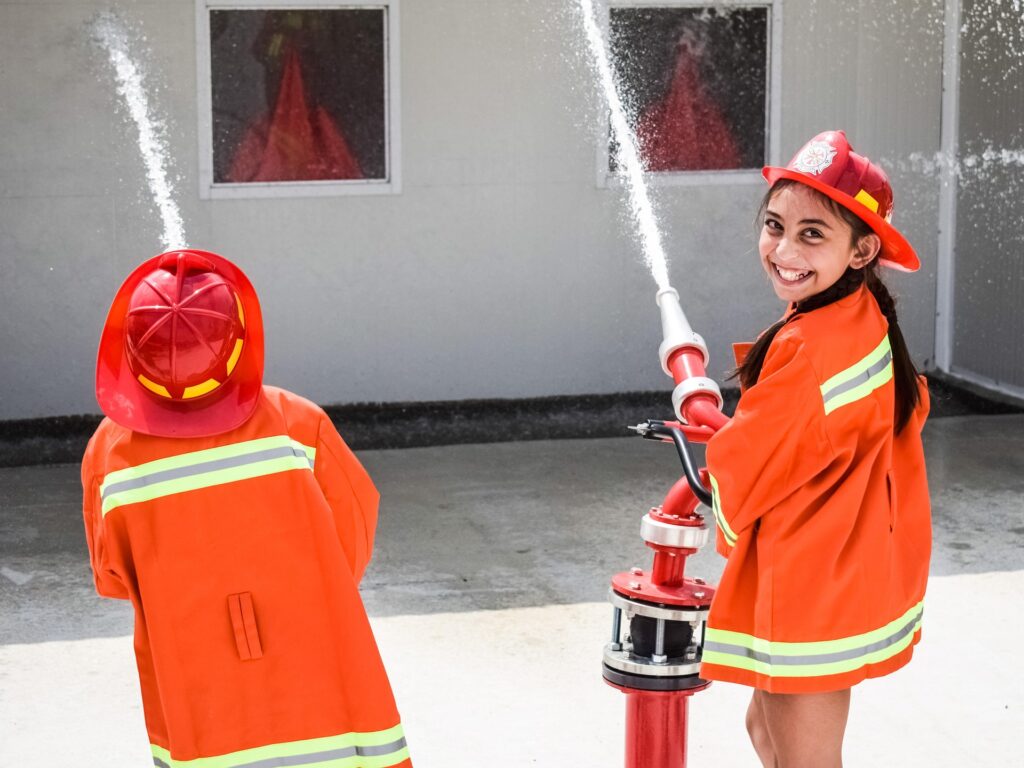
HSE for Youth
Why take this course?
To introduce young people to safety basics, responsible behavior, and awareness of hazards.
Why take this course?
To introduce young people to safety basics, responsible behavior, and awareness of hazards.
Who should take this course?
Students, interns, new workforce entrants, and youth programs.
When should a person take this course?
Before entering workplaces, training programs, or technical schools.
Show more
Show less

HSE for Supervisors
Why take this course?
To empower supervisors with practical safety management skills and compliance knowledge.
Why take this course?
To empower supervisors with practical safety management skills and compliance knowledge.
Who should take this course?
Site supervisors, team leaders, foremen, and shift leaders.
When should a person take this course?
Before taking supervisory duties or during mandatory safety certifications.
Show more
Show less
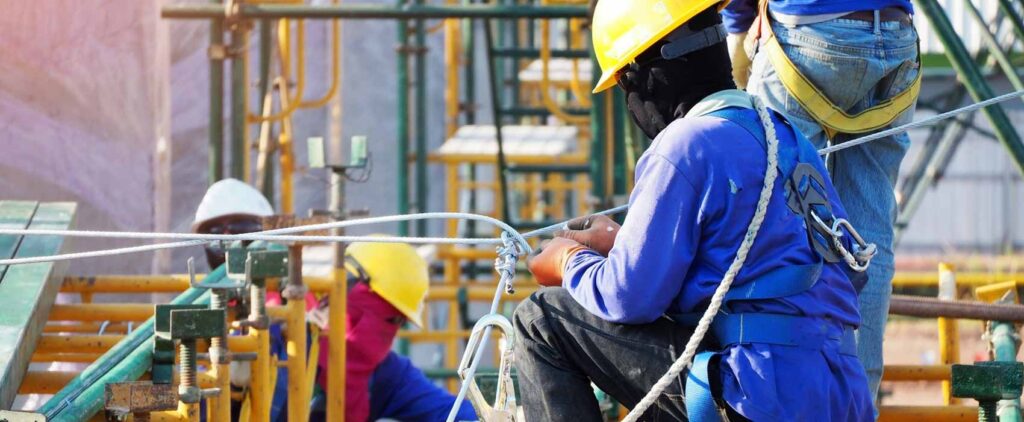
Measuring HSE Performance
Why take this course?
To understand KPIs, performance indicators, leading/lagging metrics, and how to monitor safety performance.
Why take this course?
To understand KPIs, performance indicators, leading/lagging metrics, and how to monitor safety performance.
Who should take this course?
Managers, HSE professionals, team leaders, and auditors.
When should a person take this course?
Before creating HSE plans, dashboards, or performance reports.
Show more
Show less
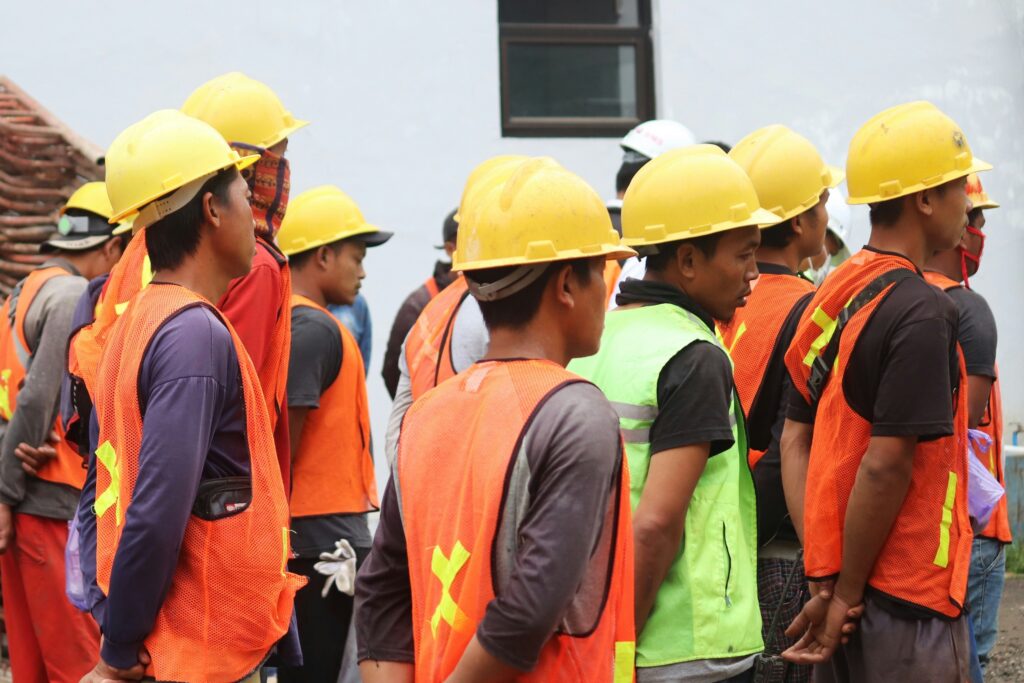
HSE for Leadership
Why take this course?
To equip leaders with tools to drive safety culture, compliance, and accountability.
Why take this course?
To equip leaders with tools to drive safety culture, compliance, and accountability.
Who should take this course?
Senior managers, department heads, and strategic decision-makers.
When should a person take this course?
When assuming leadership roles or during annual leadership development programs.
Show more
Show less
Copyright © 2026 FIREMATIC
Designed by Graphix Vision